
Two Days Workshop
28 and 29 December 2025
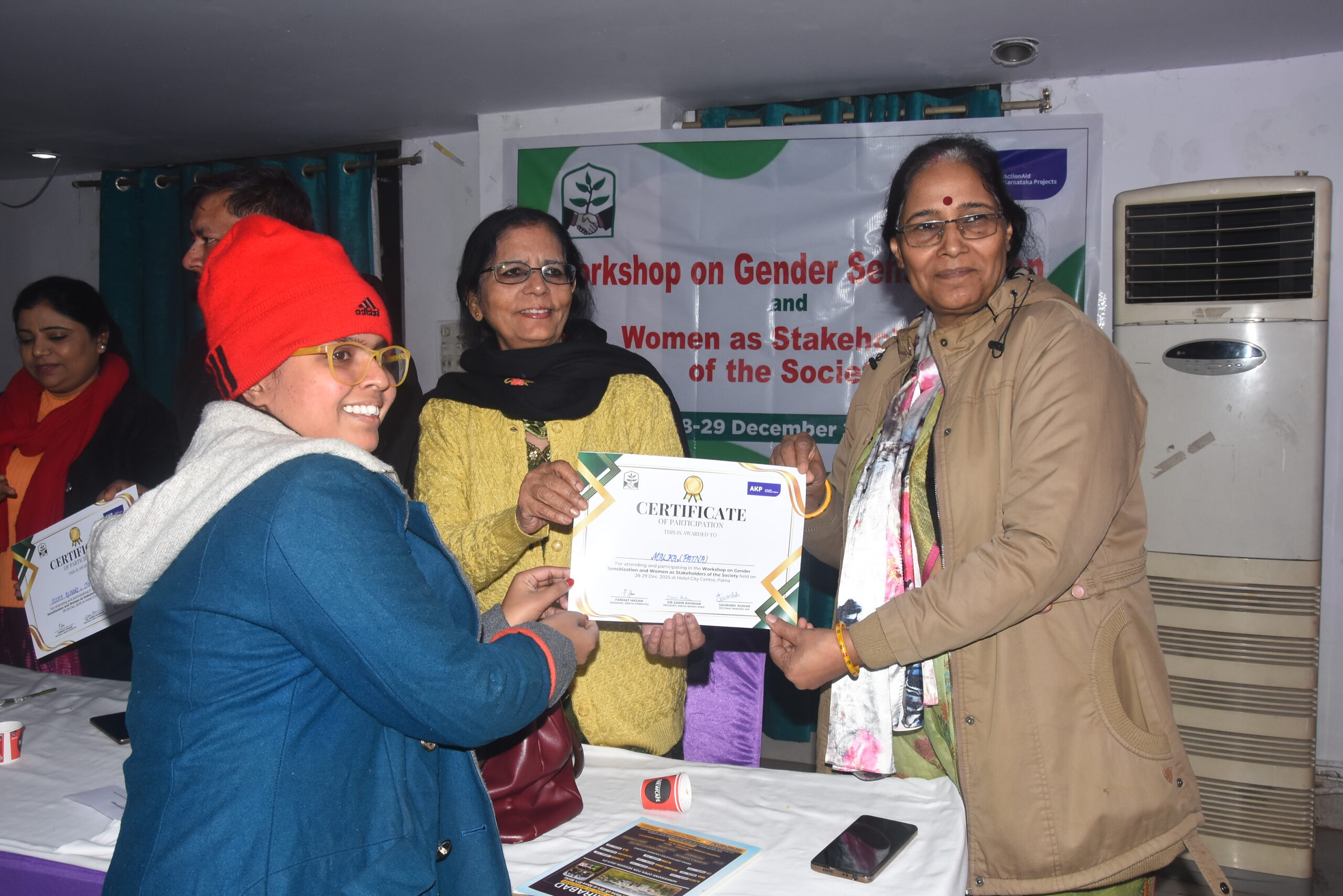
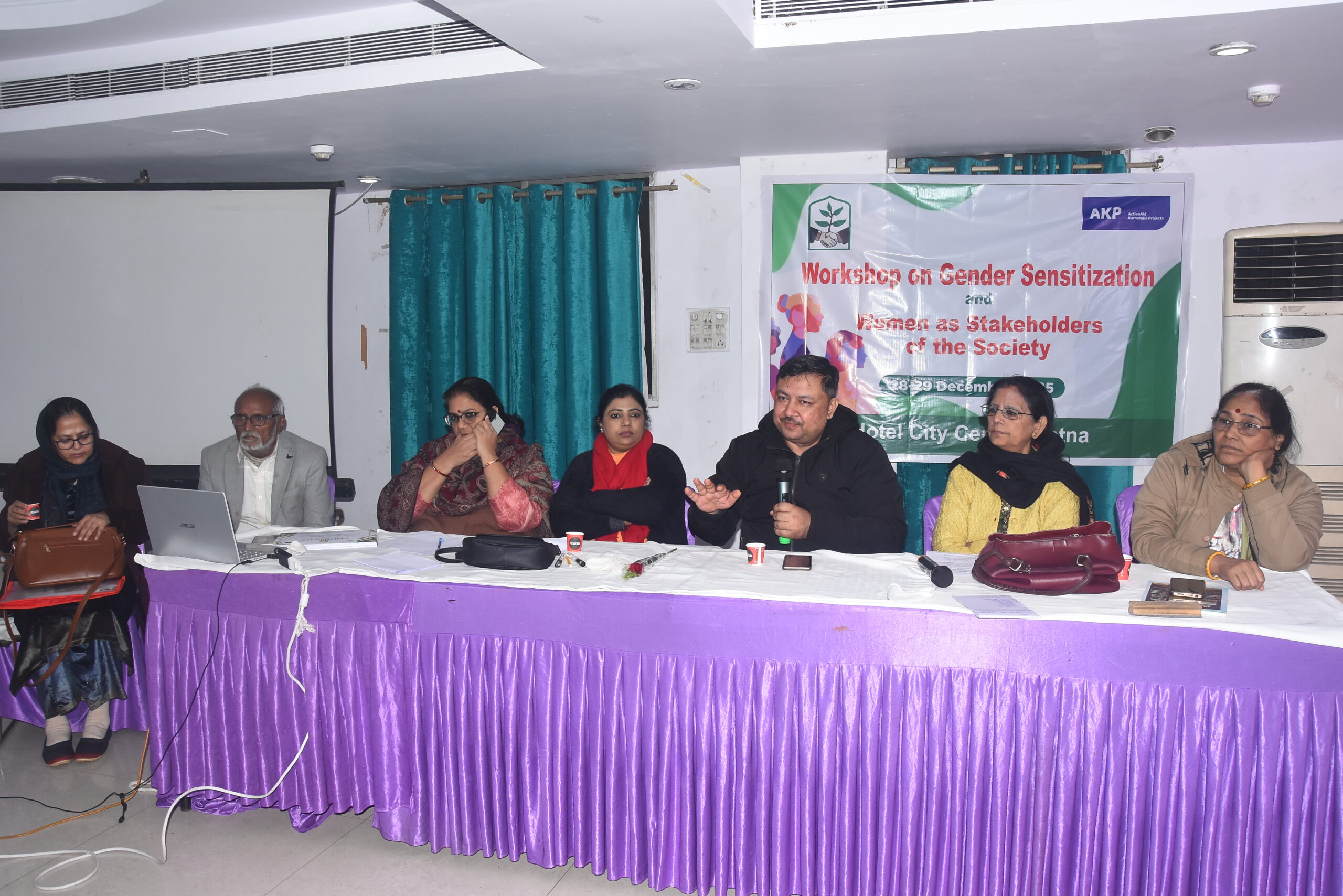
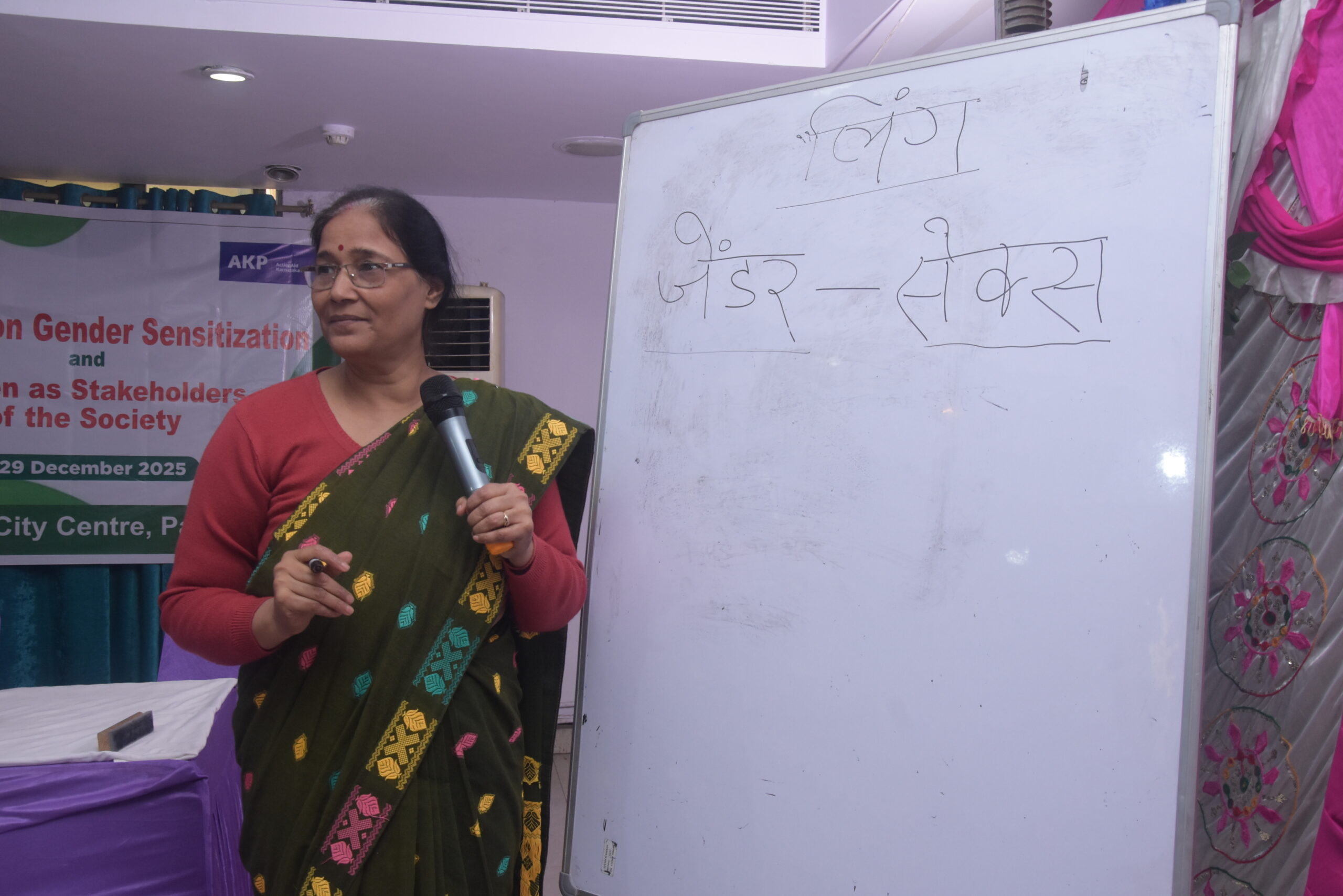
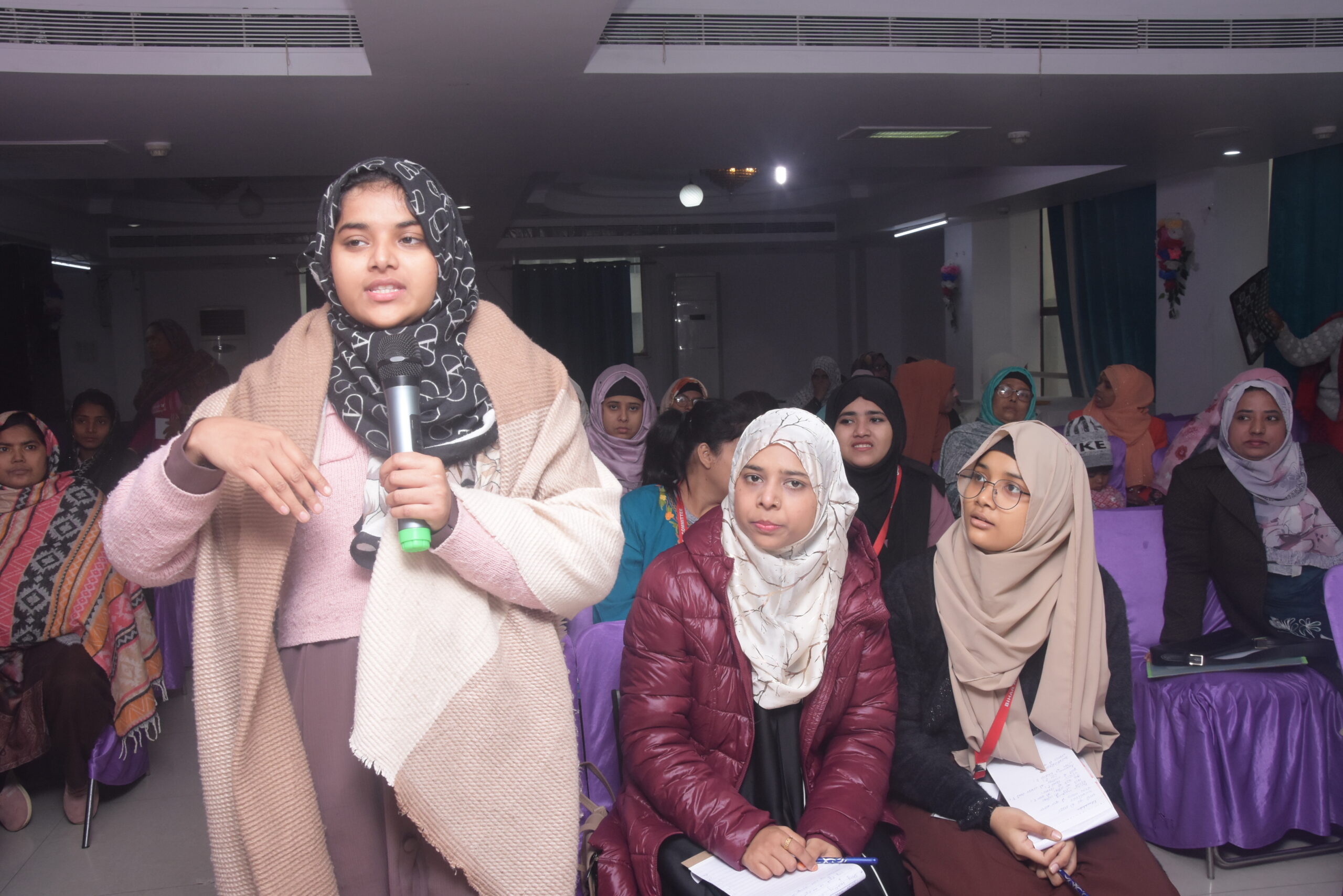
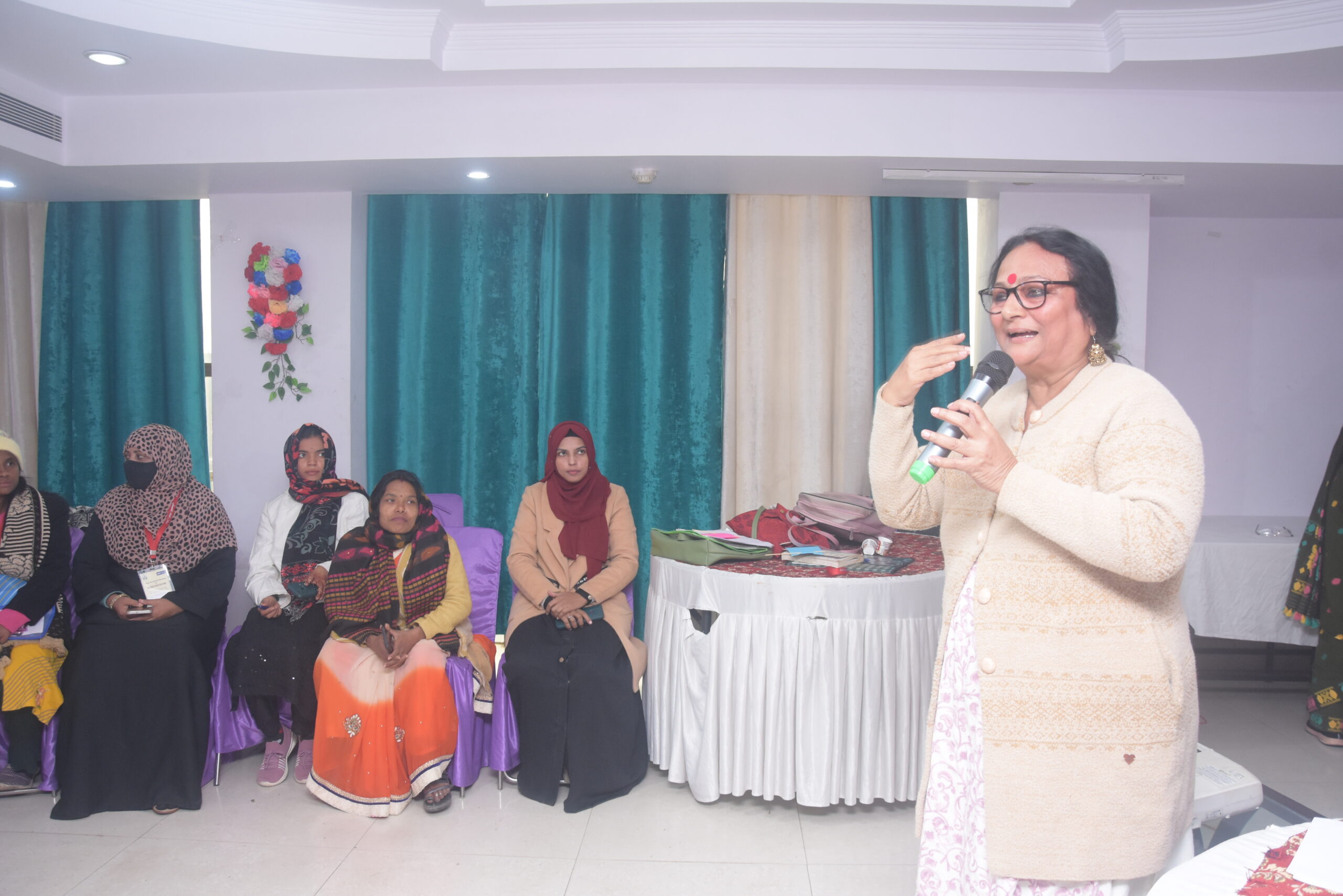
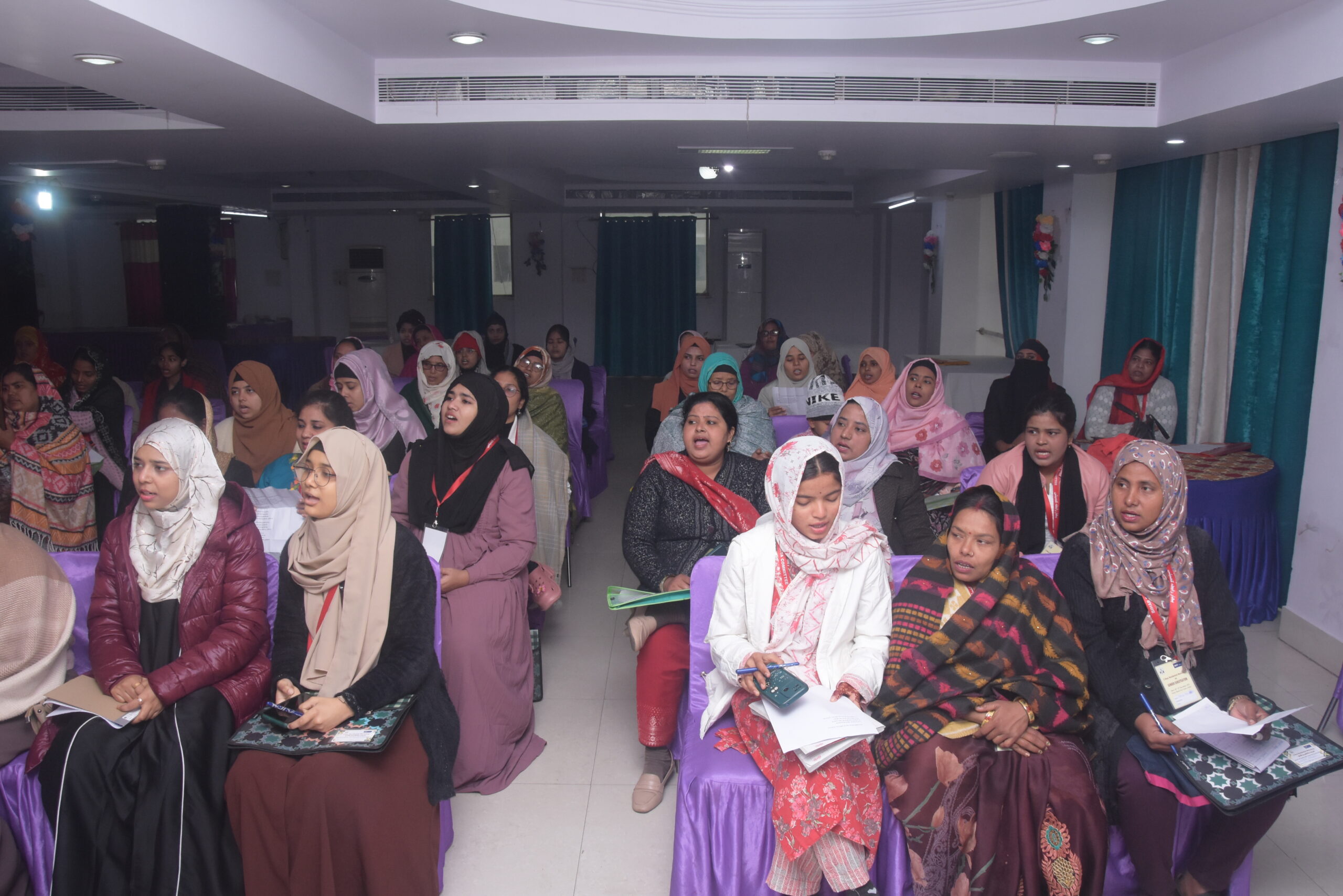
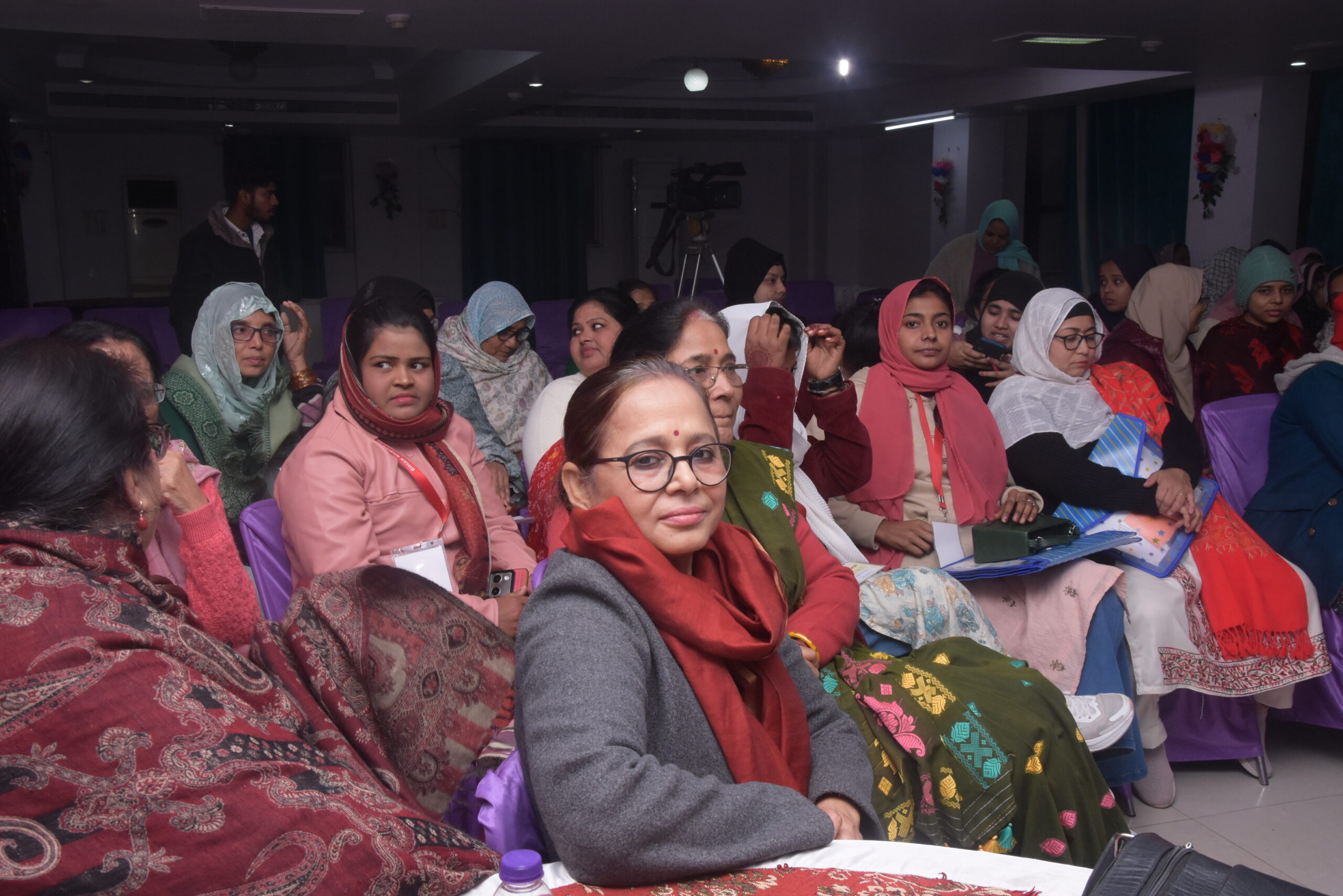
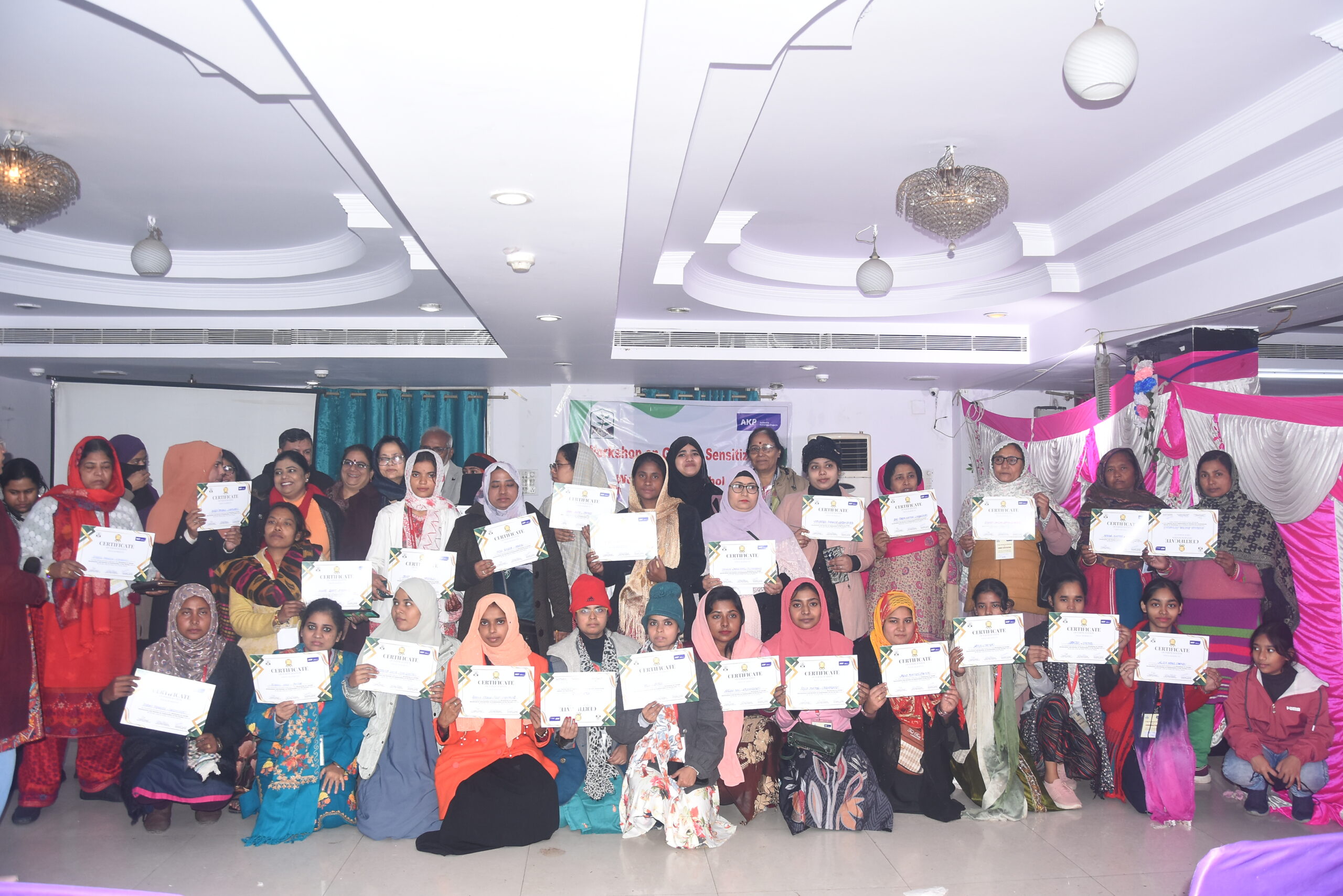
A two-day Women Empowerment Workshop on “Gender Sensitization and Women as Stakeholders of the Society” was successfully organized in Patna to create awareness and build critical understanding on issues related to women’s rights, gender equality, health, mental well-being, and responsible digital engagement. The programme brought together women and young girls for interactive learning on women’s contribution to India’s freedom struggle, constitutional values, legal rights, gender and patriarchy, nutrition, mental health, and cyber safety.
Through expert sessions, discussions, cultural activities, and participatory exercises, the workshop encouraged informed thinking, confidence, and active citizenship. It also laid the foundation for future action by strengthening women’s networks, leadership, and community-level engagement. The initiative reinforced the belief that education, awareness, and collective action are key to building an equitable, inclusive, and empowered society.
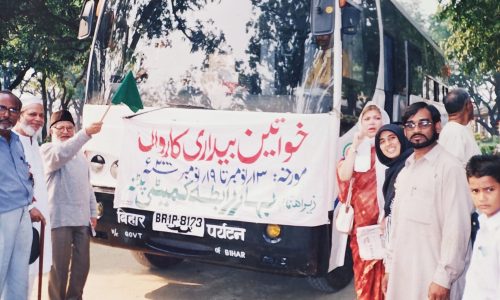
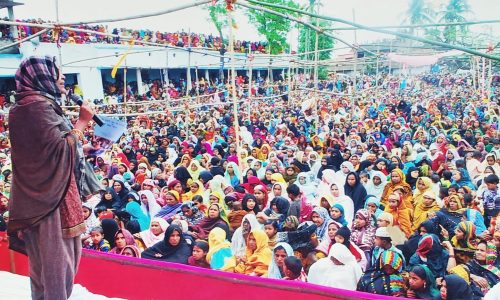
Khawateen Bedari Karwan
Rabita organized the Khawateen Bedari Karwan in two phases — first in 2000 and then in 2003 — covering 32 districts across Bihar, Jharkhand, and West Bengal. The event saw tremendous support from women, with lakhs participating and over 100 women activists from across India joining to make it a historic and memorable movement. Aimed equally at Muslim and Hindu women, the caravans inspired hundreds to join Rabita in furthering its mission and objectives.
3rd Khawateen Bedari Caravan – Bihar
The Bihar Rabita Committee conducted the 3rd Khawateen Bedari Caravan from 8–15 April 2012 in the rural areas of Araria, Purnea, Kishanganj and Katihar, among the Minority Concentrated Districts identified by the Government of India.
The caravan focused on creating awareness among marginalized women about government welfare schemes, communal harmony, health, hygiene and nutrition, and their educational, social, political and economic rights, especially for girls.
Through community interactions, the programme encouraged women to access public services, improve their living conditions, and participate more actively in society, strengthening awareness and confidence in the target communities.